When people talk about solar power, they usually spend all their time talking about the panels or the ongrid solar inverters. While those are the “muscles” and the “brain” of the system, every expert knows that the most important part for safety is the “Guard.”
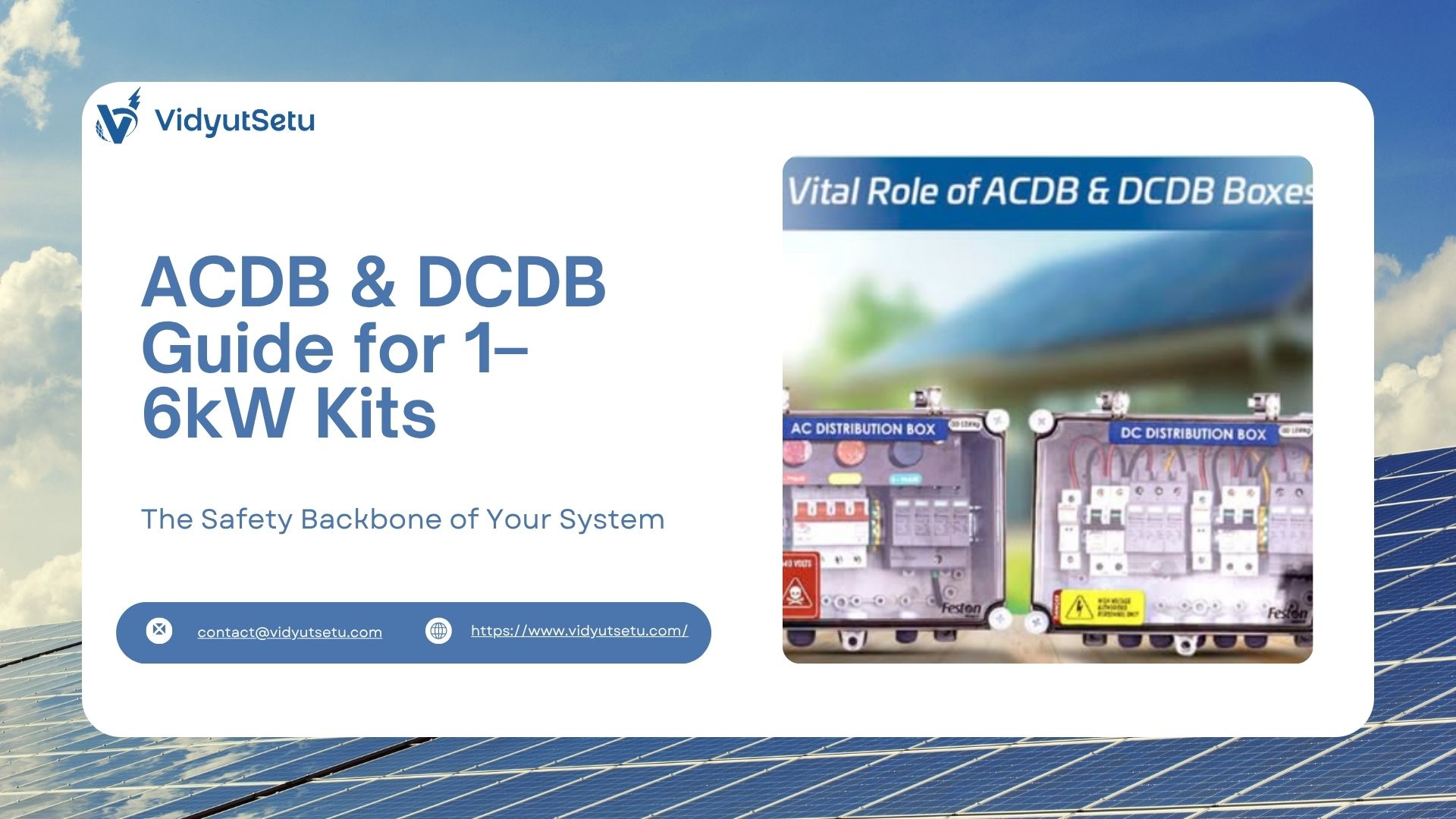
In the world of solar, these guards are two small boxes called the DCDB (DC Distribution Box) and the ACDB (AC Distribution Box).
If you are buying a 1kW to 6kW solar kit for your home or a small commercial ongrid setup, you must understand these boxes. They are not just plastic cases with switches; they are the difference between a system that lasts 25 years and one that fails during the first monsoon.
In this article, we will break down exactly how to select the right parts for these boxes, what ratings you need, and how the wiring should look.
What are DCDB and ACDB? (The Simple Definition)
Before we get into the technical bits, let’s make it very easy to understand:
- DCDB (DC Distribution Box): This sits between your solar panels and your inverter. It handles the “Raw” power coming from the sun. Its job is to protect the inverter from any problems coming from the panels (like a lightning strike on the roof).
- ACDB (AC Distribution Box): This sits between your inverter and your home’s main electricity board. Its job is to protect the inverter from problems coming from the government grid (like a sudden voltage spike or a short circuit in your street).
Part 1: The DCDB (Protecting the Input)
For a 1kW to 6kW system, the DCDB is your first line of defense. Here is what should be inside it:
- The DC Fuse or DC MCB
You need a way to “cut off” the power from the panels. For small systems (1–6kW), we usually use a DC MCB or a Fuse rated at 15 Amps to 20 Amps.
- Why? Most modern high-efficiency panels produce about 11–14 Amps of current. If there is a short circuit, the fuse will blow or the MCB will trip, saving your expensive inverter from burning.
- The DC SPD (Surge Protection Device)
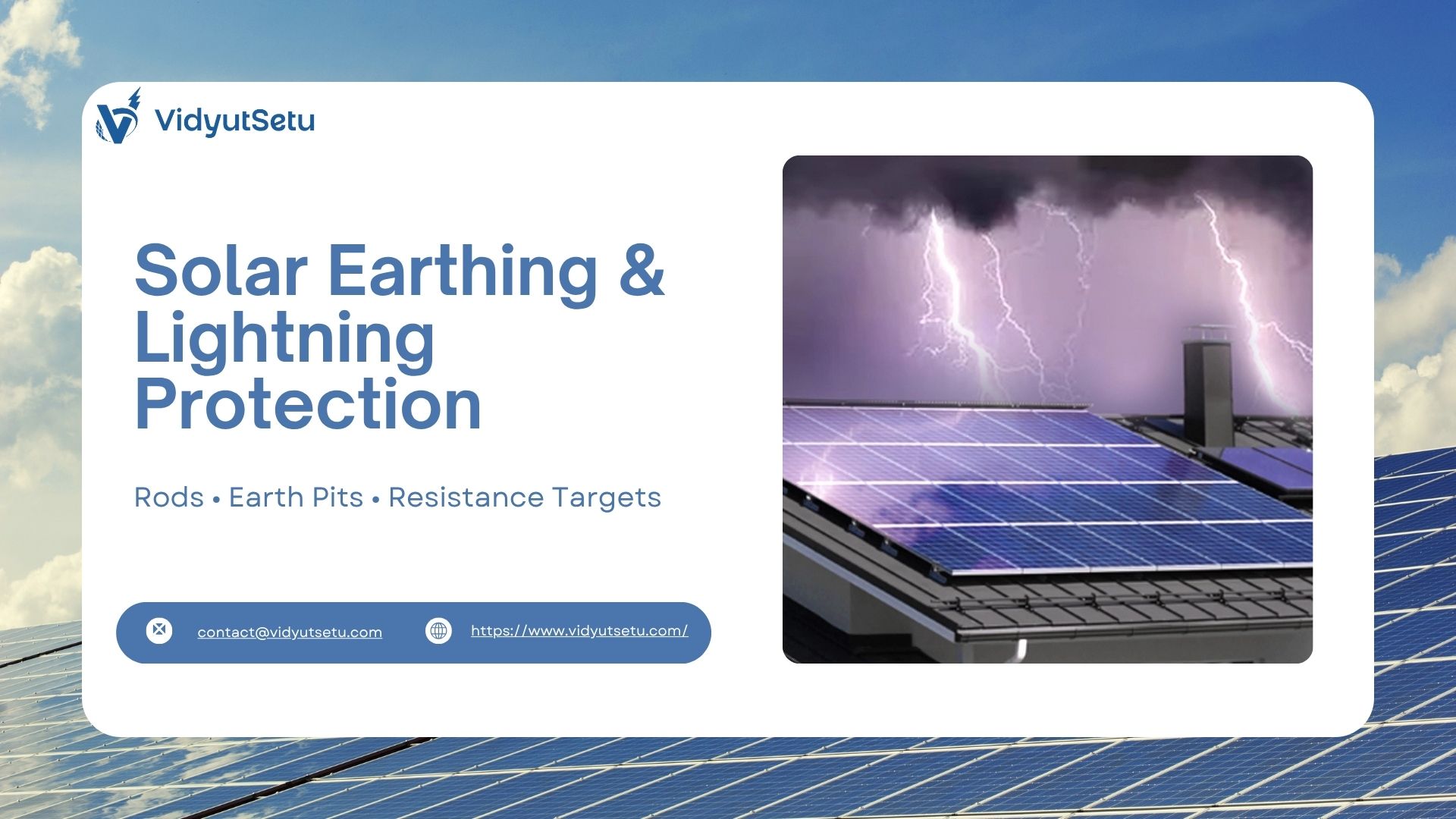
This is the most important part of the solar kit. Since panels are on the roof, they are targets for lightning. You don’t need a direct hit to cause damage; even a nearby strike can send a massive “surge” of electricity through the wires.
- Rating: For a 1–6kW system, you should use a Type 2 DC SPD rated for 600V or 1000V (depending on your inverter’s voltage).
- Tip: Look for the small green window on the SPD. If it turns red, it means it has done its job and needs to be replaced.
- Wiring Layout for DCDB
Keep the wires neat! The “Positive” and “Negative” wires from the panels should enter from the bottom. They go through the MCB, then connect to the SPD, and then exit to the inverter. Never mix the colors—always use Red for Positive and Black for Negative.
Part 2: The ACDB (Protecting the Output)
Once the inverter turns the sun’s power into “Home Power” (AC), it goes into the ACDB.
- The AC MCB
For a 1kW to 6kW system, selecting the right MCB is simple math:
- 3kW System: Use a 16A or 20A Double Pole (DP) MCB.
- 5kW or 6kW System: Use a 32A Double Pole (DP) MCB.
- Note: For commercial ongrid systems that are 3-phase, you will need a Four Pole (FP) MCB.
- The AC SPD
Just like the DC side, the grid side can also have surges. If a transformer nearby explodes or a power line falls, a surge can enter your house.
- Rating: A Type 2 AC SPD (Single Phase for up to 3kW, Three Phase for 5kW and above) is essential. It protects the AC side of your inverter.
- Energy Meter (Optional)
Many high-quality ACDBs come with a small digital meter. This shows you exactly how much voltage the grid is giving and how many “units” your solar system has produced so far. It’s very helpful for tracking your savings.
Part 3: The Importance of the Solar Earthing Kit
You can buy the best MCBs and SPDs in the world, but they are useless without a proper solar Earthing kit.
Think of an SPD like a “drain pipe.” When a surge of electricity hits, the SPD tries to “drain” that extra power into the ground. If you don’t have a good earthing pit, the power has nowhere to go and will stay inside your equipment, causing a fire.
- For 1–6kW: You need at least two separate earthing pits. One for the Lightning Arrestor (on the roof) and one for the ACDB/DCDB/Inverter body.
- Material: Always use chemical earthing. It works much better than the old salt-and-charcoal method and requires almost zero maintenance.
Part 4: How to Select the Right Wiring
Choosing the wrong wire is like using a thin straw to drink a thick milkshake—it just doesn’t work well and creates heat.
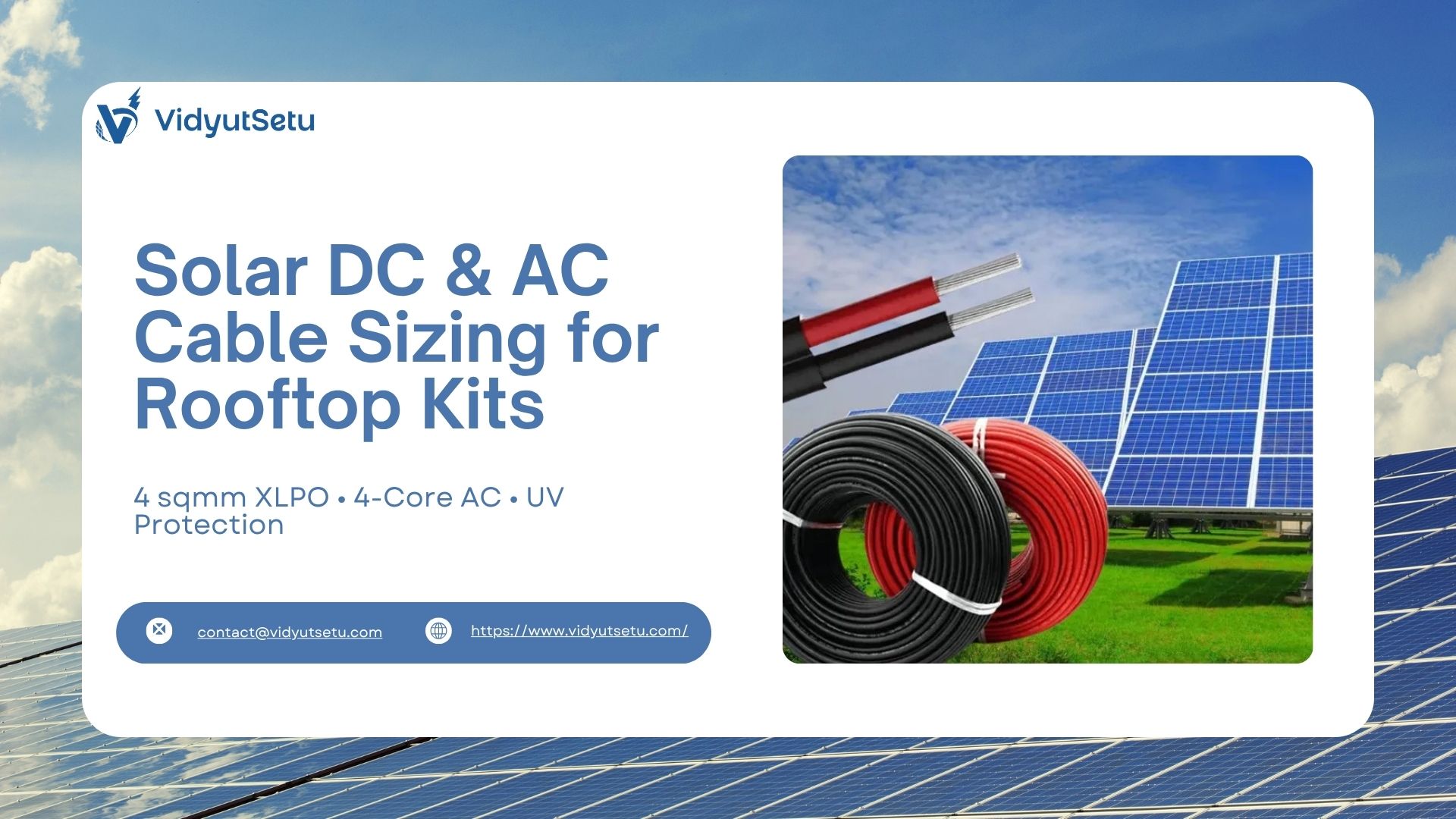
- DC Side: Use 4sqmm or 6sqmm UV-protected copper solar cables. These are designed to sit in the sun for 25 years without cracking.
- AC Side: For 1–3kW, 4sqmm AC wire is enough. For 5–6kW, use 6sqmm or 10sqmm wire to prevent the wires from getting warm.
- Earthing Wire: Use at least a 6sqmm or 10sqmm Green wire to ensure the path to the ground is very “smooth” for the electricity.
Why Quality Matters in Distribution Boxes
A lot of local installers try to save ₹2,000 by using “local” boxes or skipping the SPD. This is a huge mistake. A 5kW solar system is an investment of nearly ₹3 lakh. Why risk a ₹3 lakh system to save ₹2,000?
Always ensure your ACDB and DCDB are:
- Waterproof (IP65 rated): Especially if they are installed outdoors.
- Fire Retardant: The plastic box should not catch fire easily.
- Transparent Cover: So you can see the switches and the SPD status without opening the box.
Summary Checklist for a 5kW System
| Component | Specification |
| DC MCB | 2-Pole, 800V-1000V, 16A/20A |
| DC SPD | Type 2, 1000V DC |
| AC MCB | 2-Pole (Single Phase) or 4-Pole (3-Phase), 32A |
| AC SPD | Type 2, 275V-320V AC |
| Enclosure | IP65 Polycarbonate with transparent door |
| Earthing | Connected to a dedicated solar Earthing kit |
Secure Your Investment with VidyutSetu
At VidyutSetu, we don’t believe in “low quality” work. We believe in “safe” work. Whether we are installing a small home system or a large commercial ongrid project, the ACDB and DCDB are our top priorities.
Don’t let a small technical mistake ruin your solar dreams. Build a system that is safe, efficient, and long-lasting.