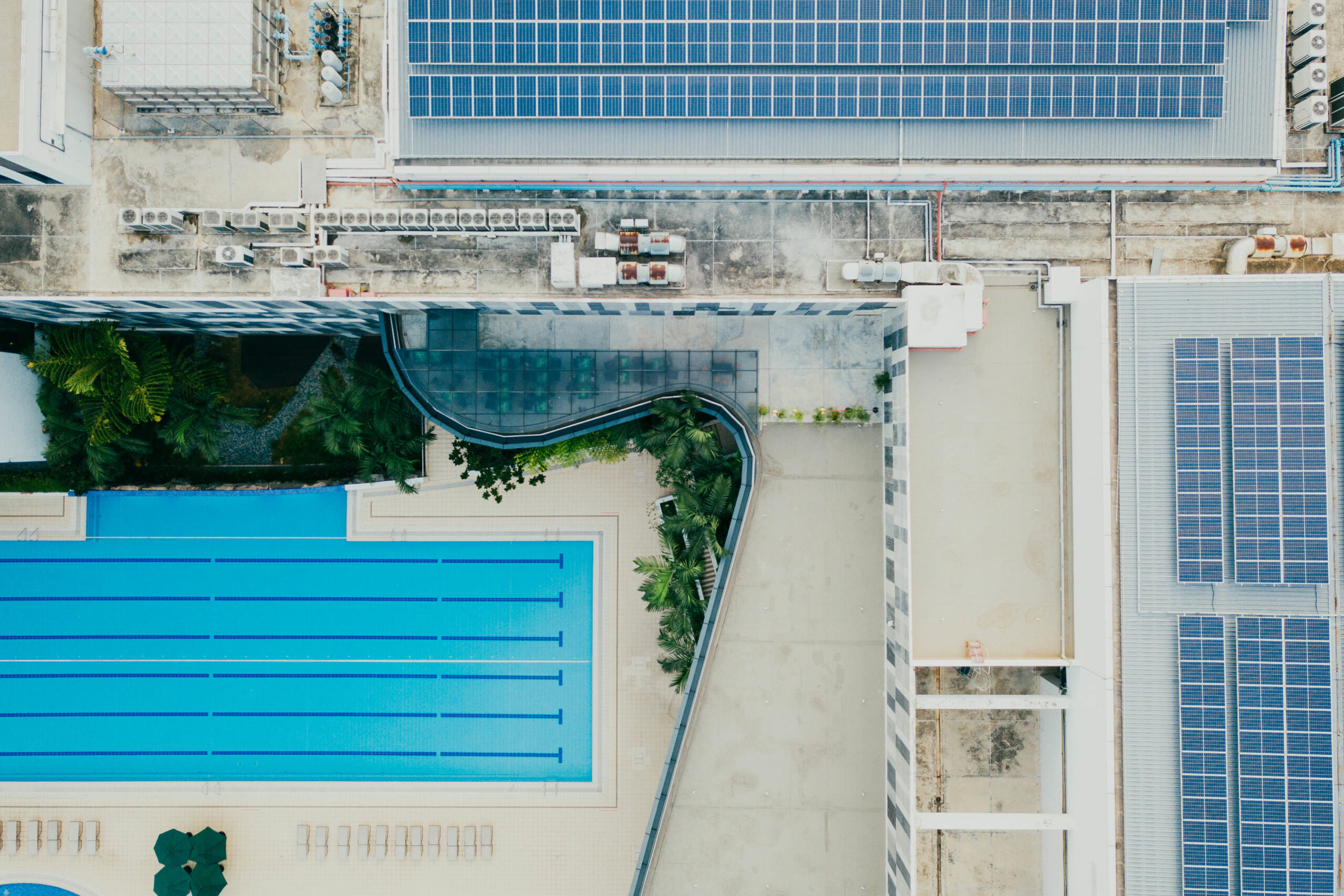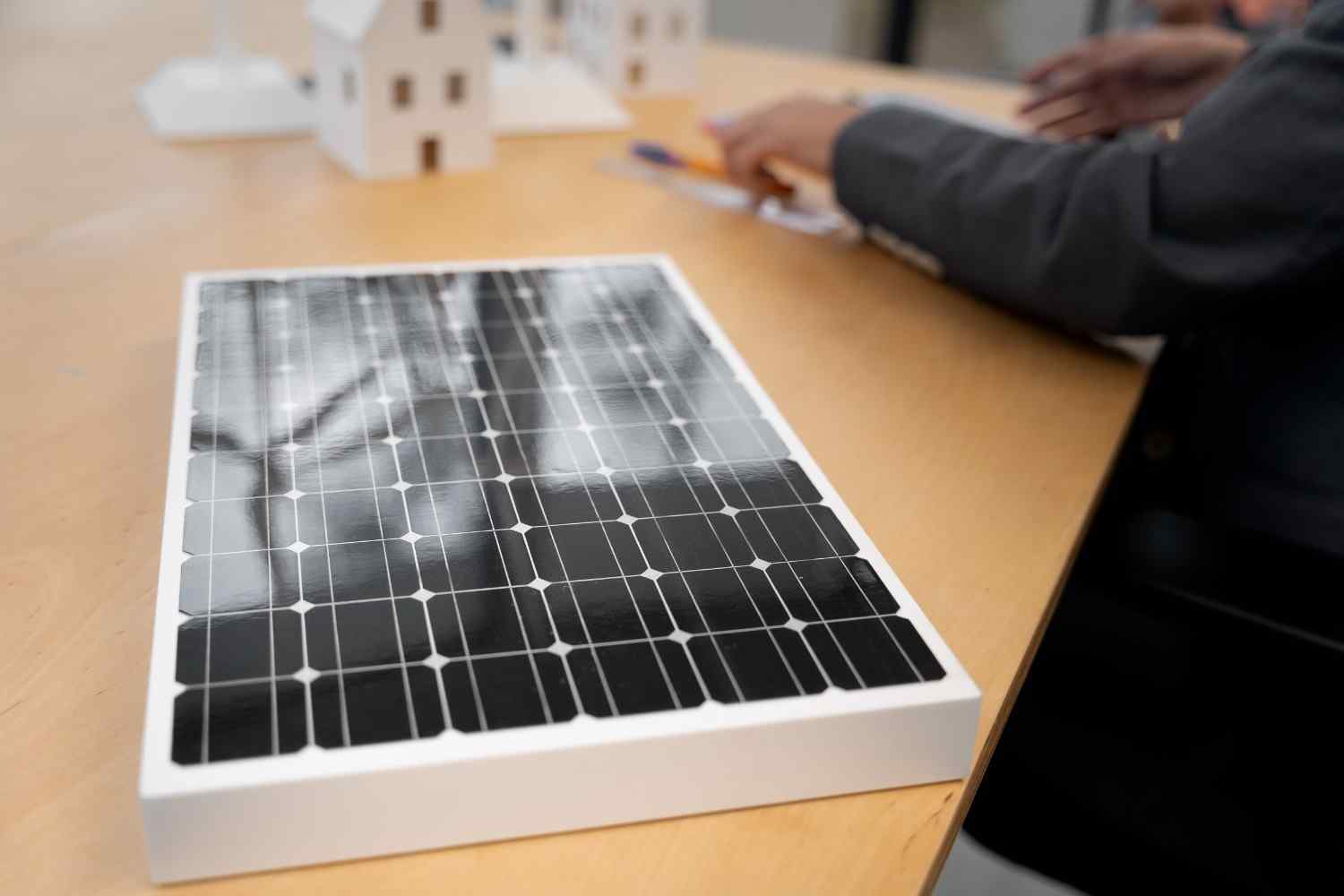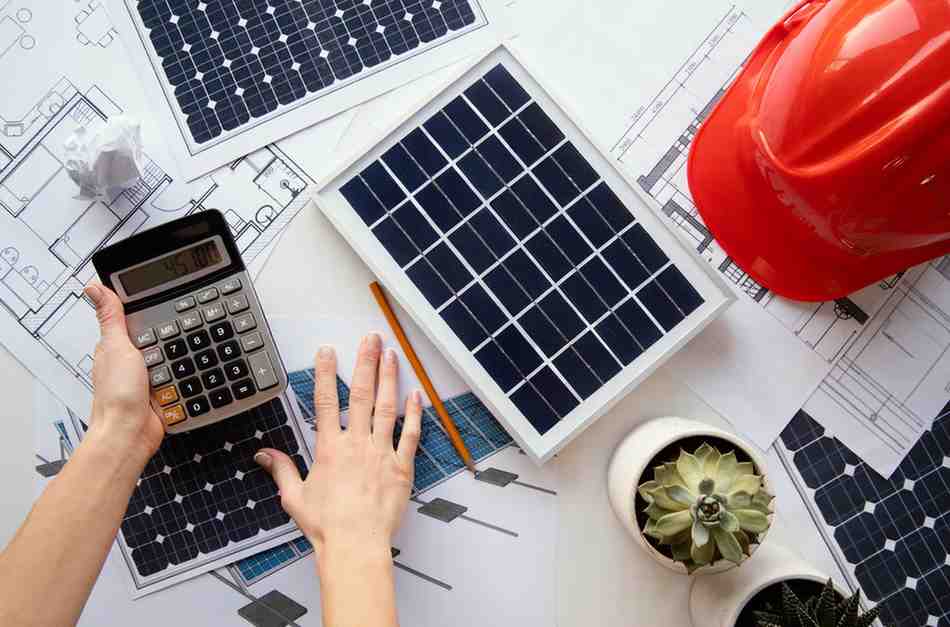
In 2026, solar energy is no longer just a green trend, it’s now a business-smart decision. Across India, more and more factories, offices, warehouses, hospitals, and schools are turning to commercial solar power to reduce their electricity bills and gain more energy control.
But if you’re planning to go solar for your business, you might be wondering:
Should I buy the solar system upfront? Or should I lease it?
Both options have pros and cons. The answer depends on your cash flow, your long-term plans, and how involved you want to be in system maintenance.
This article gives you a cost comparison between leasing and buying, covering solar panels, inverters, solar BOS, and other commercial solar system parts. We’ll explain everything in very easy words.
What Does “Buying a Solar System” Mean?
When you buy a commercial solar system, you pay for everything, the commercial solar panels, ongrid inverters, structures, cables, net meter, and the solar BOS (Balance of System), either in one go or through a loan.
You own the system. You get the savings. And you handle the maintenance.
What Does a Complete Solar System Include?
Whether you lease or buy, a proper solar setup includes:
- Solar Panels – capture sunlight
- Inverter – converts DC to usable AC electricity
- Mounting structures – hold panels in place
- Wiring and conduit – connects all parts
- Earthing and safety equipment
- Net meter – tracks import/export
- Solar BOS – the full package of cables, connectors, junction boxes, and protections
All of these come together to give you continuous commercial solar power during daytime.
What Is Solar Leasing?
In simple words, solar leasing means you don’t buy the system, you rent it from a solar company. You allow them to install a solar system on your roof or land. In return, you either:
- Pay a fixed monthly lease (like rent), or
- Pay only for the electricity generated (this is called PPA, Power Purchase Agreement)
In both cases, the solar company owns the system, maintains it, and gets the subsidies.
You just get cheaper power.
Solar Leasing vs Buying: Cost Breakdown
Let’s compare the two options using a real-life example.
Imagine a 50kW commercial solar power system for a medium-sized factory or school.
Option 1: Buying the system
Component | Cost Estimate (₹) |
Solar Panels (Mono PERC) | ₹12,00,000 |
Ongrid Inverter | ₹3,50,000 |
Mounting Structures | ₹2,00,000 |
Solar BOS and Accessories | ₹2,00,000 |
Net Meter and Installation | ₹50,000 |
Total Cost (before subsidy) | ₹20,00,000 |
Central Govt Subsidy | ₹3,00,000 |
Final Cost | ₹17,00,000 |
In this case, you recover your money in 3–4 years through savings on your electricity bill. After that, your power is nearly free.
You also get tax benefits through depreciation (for businesses), and you’re eligible for solar subsidy projects if you meet the criteria.
Option 2: Leasing the system
Term | Example Value |
Monthly Lease (fixed) | ₹25,000 to ₹35,000 |
OR PPA Rate (per unit) | ₹3 to ₹4.5/unit |
Tenure | 10 to 25 years |
Maintenance Responsibility | With vendor |
Ownership | Remains with vendor |
Subsidy Benefit | Goes to vendor |
You save on capital cost and maintenance. But over 15–20 years, you may end up paying more than you would by buying.
Pros and Cons of Buying
Pros
- You own the asset
- Higher long-term savings
- Eligible for tax benefits and solar subsidy projects
- Better return on investment
- System lasts 25 years or more
Cons
- High upfront investment
- You handle maintenance (unless you take AMC)
- May need loan approval
Pros and Cons of Leasing
Pros
- No upfront cost
- Easy approval
- Vendor handles maintenance
- Works well if you don’t want to manage assets
Cons
- No ownership
- Less control over components (you don’t choose panels or inverters)
- No tax benefit for you
- Long-term payout may be higher
- You depend on vendor for everything
What is Solar BOS, And Why It Matters in Both Cases
BOS (Balance of System) includes all the parts other than solar panels and inverter. This includes:
- DC and AC cables
- Connectors (MC4)
- Surge protection devices
- Earthing and grounding
- Distribution boxes (DCDB, ACDB)
- Cable trays
- Monitoring systems
Whether you lease or buy, the quality of BOS makes a huge difference. Cheap wiring, poor protection, or bad connectors can cause faults, power losses, and even fires.
So when comparing leasing vs buying, ask your vendor about BOS quality. Even in leased systems, insist on branded BOS items.
When Should You Lease?
- You have no budget for upfront solar investment
- You rent your building and have a short-term lease
- You want peace of mind without managing equipment
- You are a small office or school with limited admin staff
- You need solar fast but don’t want loans or paperwork
When Should You Buy?
- You own your building or land
- You plan to stay there for at least 5–10 years
- You want to maximise long-term savings
- You’re okay managing an asset or hiring AMC
- You want control over brands, specs, and system design
What to Check Before You Choose
Whether you go for buying or leasing, always check:
- Panel efficiency and brand
- Inverter specs and warranty
- BOS quality (ask about fire protection and grounding)
- Monitoring systems (app or web dashboard)
- Net metering process
- AMC or warranty coverage
- System performance guarantee
Still Confused? Use Vidyut Setu for Help
Navigating solar choices is not easy, and you don’t have to do it alone.
VidyutSetu.com is a helpful platform that guides businesses and institutions in making the right solar decisions.
Whether you’re planning to buy or lease, Vidyut Setu helps you:
- Compare offers from solar vendors
- Understand the real commercial solar cost
- Check quality of panels, inverters, and solar BOS
- Learn how to apply for solar subsidy projects
- Monitor system output with ease
- Get connected with trusted EPC partners in your city
If you’re looking for solar peace of mind, and real savings, Vidyut Setu gives you clarity, transparency, and choices.
Final Thoughts
Both leasing and buying are good paths to solar. One gives you ownership and more savings. The other gives you convenience and zero headaches.
The right choice depends on your budget, your building, and your mindset.
But whichever option you choose, make sure the system is well-designed, BOS is strong, and the vendor is trustworthy.
That’s where Vidyut Setu comes in. It’s your guide in the solar world, simple, smart, and made for Indian businesses.
Let the sun do the heavy lifting. You just make the smart call.