Imagine you buy a brand-new luxury car but never change the oil or wash the windshield. Soon, the car will slow down, use more fuel, and eventually stop working. A commercial solar plant is exactly the same. It is a powerful machine sitting on your roof, working hard under the hot Indian sun, rain, and dust.
In the solar world, we have a saying: “A clean panel is a profitable panel.” But maintenance is more than just splashing some water on the glass. It is about checking the “heart” (the inverter), the “veins” (the cables), and the “brain” (the control boxes).
For a factory or a commercial building, a solar breakdown is not just a technical issue; it is a loss of money every single hour the sun is shining. In this article, we will look at how “Preventive Maintenance”, which means fixing things before they break, can keep your savings high for 25 years.
1. The Panels: Your Solar Workers
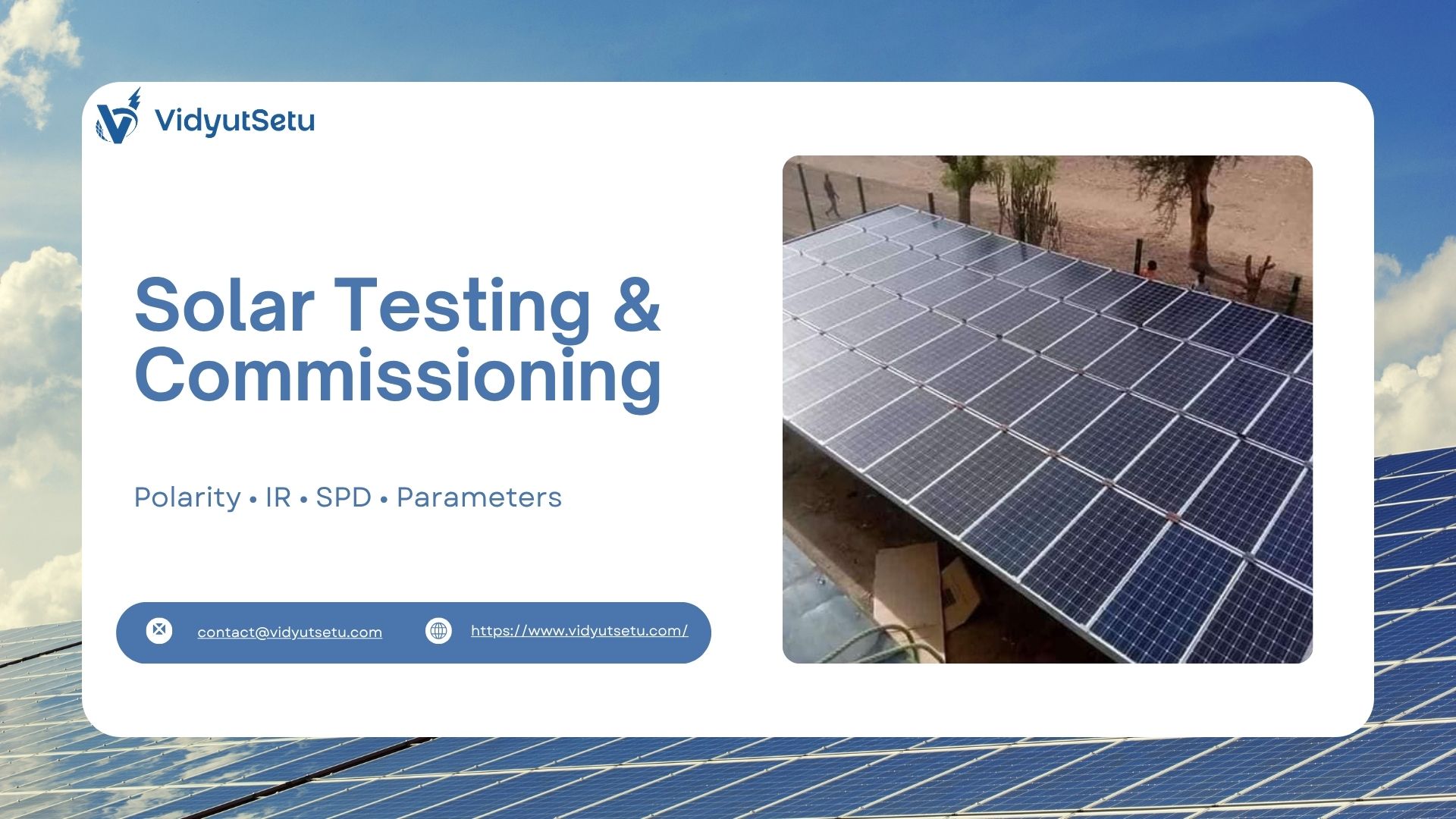
The most obvious component of your system is the solar panels. The dust is the largest enemy of our India. It may be construction dust in Mumbai, sandy soil in Rajasthan, a thick layer of dust can filter 20 to 30 percent of the sunlight.
What to do:
- Regular Cleaning: You are supposed to wash your panels at least after every two weeks. Wash it with ordinary water and a blunt brush or a microfiber cloth. Walther no hard borewell water or harsh chemicals because salt may leave white spots on the glass.
- The “Bird Dropping” Check: Bird droppings are harmful. They create “hotspots.” Due to the fact that the falling blocks drop one small cell, the cell becomes very hot in the process of others working. This will permanently burn the panel.
- Visual Inspection: Check the glass crack or snail trails (brown line, which seems crawled by a snail across the panel). In case you find them, that panel must be inspected by a professional.
2. The Inverters: The Heart of the System
The most complicated component of your plant would be the inverter. It operates throughout the day changing DC power to AC power. You may also be having other forms of technology depending on how you set them.
- Ongrid Solar Inverters: These have been the most widespread in the Indian factories. They are connected to government grid. Checking of the cooling fans is part of maintenance. When they get dust adhered to the fans, the inverter will start to over heat and turn off at the most critical point of the day when you are supposed to be making money.
- Hybrid Solar Inverters: Hybrid solar inverters are becoming popular due to the fact that they are compatible with batteries. Here, more detailed maintenance is required since the inverter will have to cope with the grid as well as the battery bank. You have to verify the battery terminals (white powder (corrosion)) and make sure the software is current.
- Offgrid Solar Inverters: These are applied in remote locations where the government power is not available. These are the only origin of power so, to prevent total blackout, it is mandatory to check the internal fuses and the heat sinks on monthly basis.
Maintenance Tip: It is always important to ensure that the surrounding of the inverter is clean and well ventilated. By piling cardboard boxes or rubbish around the inverter, it will be unable to breathe and it will be decreasing its life.
3. ACDB and DCDB: The Safety Guards
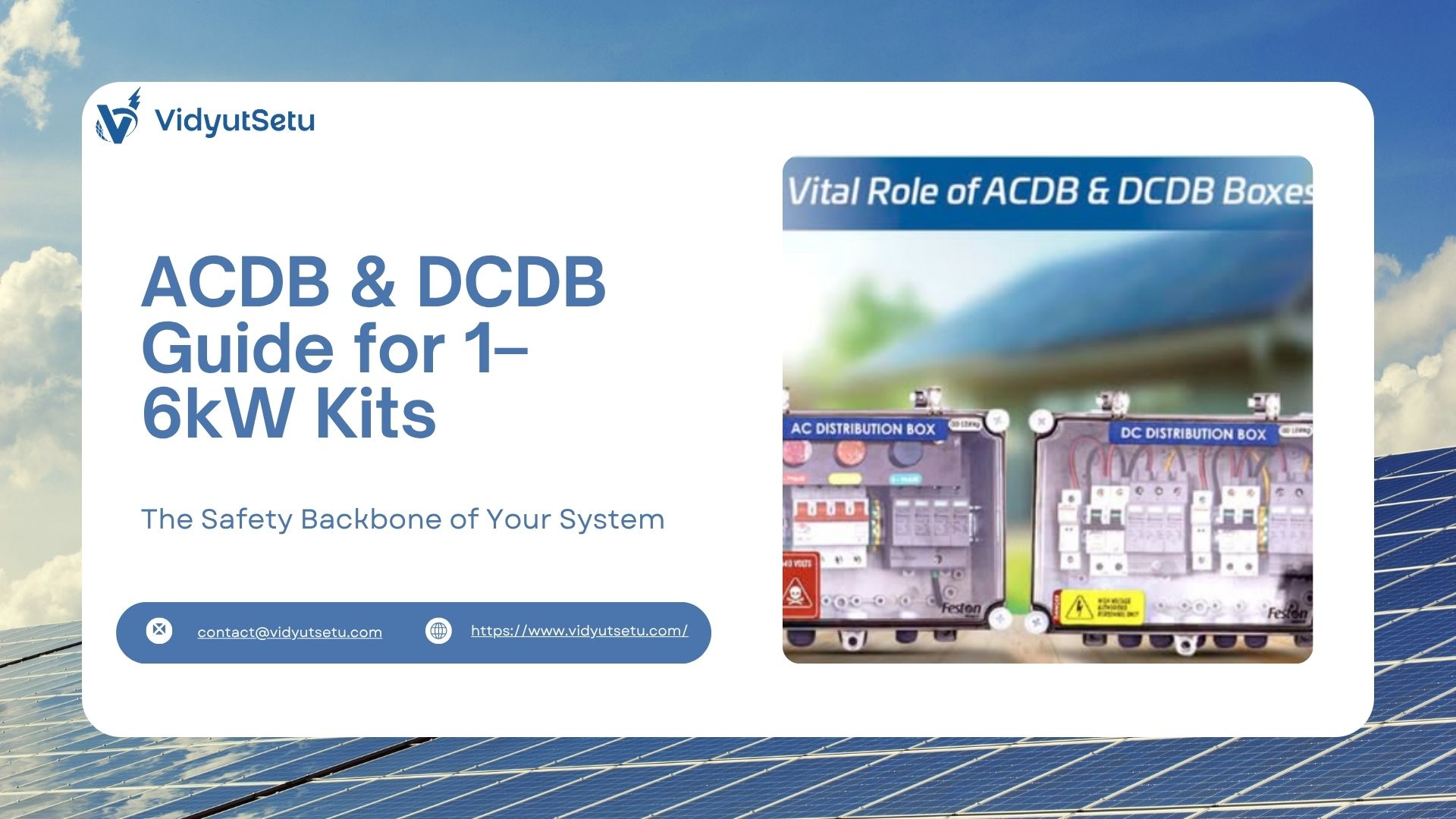
The DC Distribution Box (DCDB) and AC Distribution Box (ACDB) are the boxes full of switches and fuses. They protect your building from short circuits and lightning.
What to do:
- Tighten the Screws: Over time, because of heat and cooling (thermal expansion), the wires inside these boxes can become loose. Loose wires cause “sparking,” which can lead to fires. A technician should tighten every screw once every six months.
- Check the SPD (Surge Protection Device): Most SPDs have a small window. If it is Green, it is working. If it turns Red, it means it has taken a hit from a voltage spike or lightning and needs to be replaced immediately.
- Look for Insects: In India, ants and small spiders love the warmth inside these boxes. Their nests can cause short circuits. Regular cleaning keeps these uninvited guests away.
4. Cabling and Earthing: The Lifelines
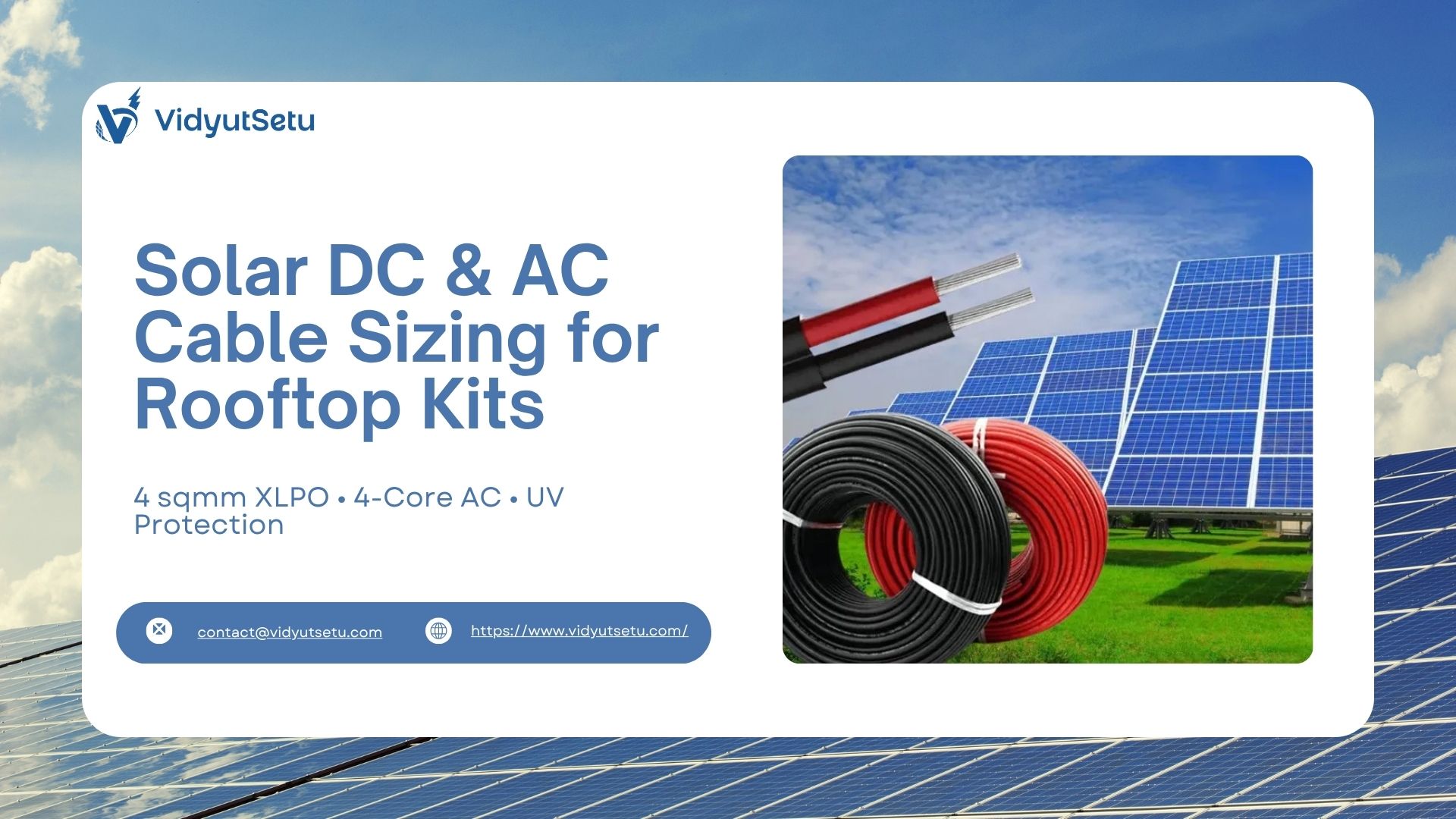
If the panels are the heart, the cables are the veins. In a commercial setup, you have hundreds of meters of wires running across the roof.
What to do:
- Check for Sagging: Cables should never be lying loose on the roof floor. If they sit in a puddle of rainwater, the insulation will eventually fail. They should be neatly tucked inside conduits or cable trays.
- UV Damage: Even “Solar Cables” can eventually get brittle under the 45°C Indian summer. Look for cracks in the outer skin of the wires.
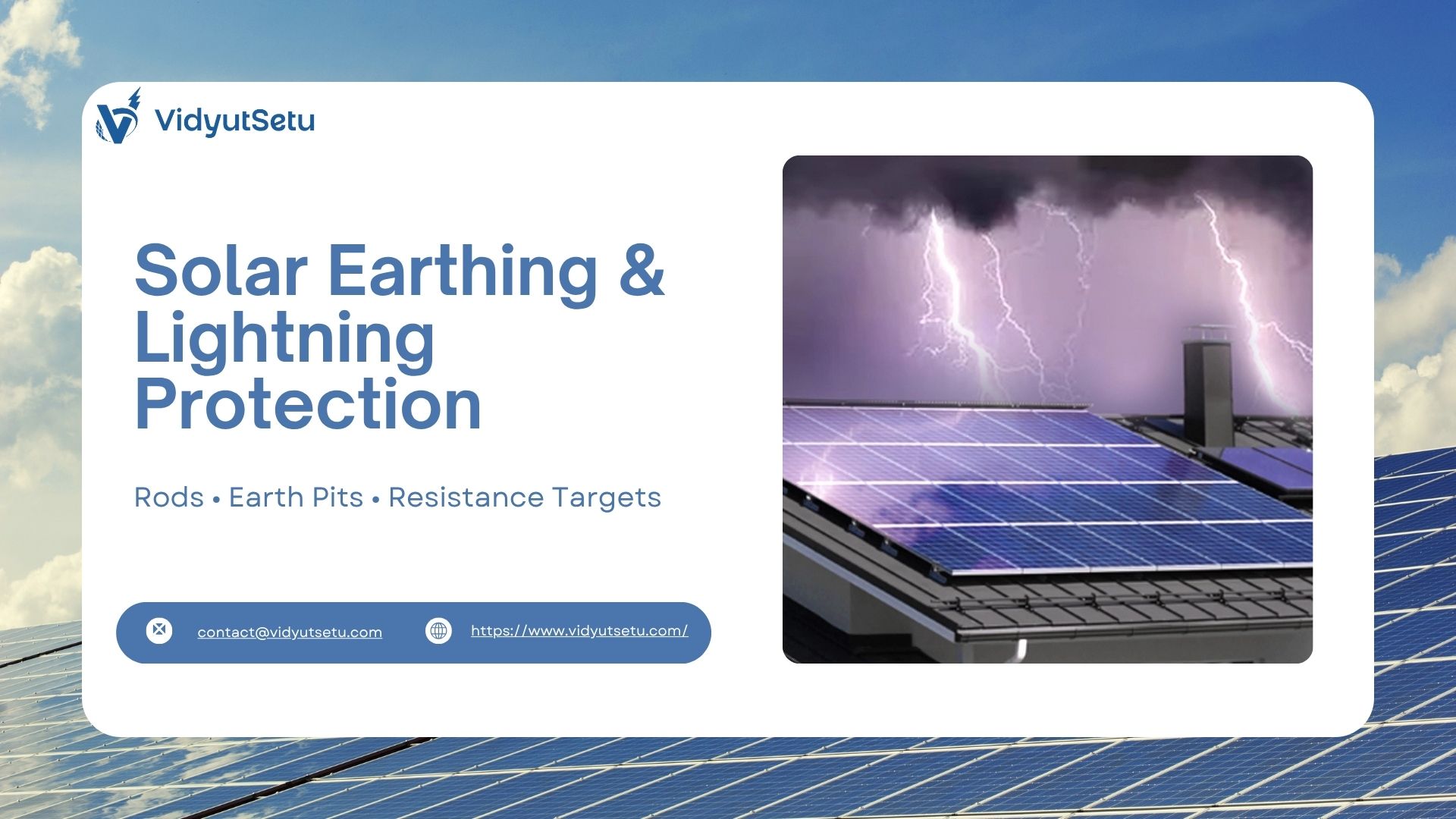
- Earthing Test: This is the most important safety step. Every solar plant must have proper “Earthing” or “Grounding.” Twice a year, a professional should use a meter to check if the earth pit is still working. If the soil has dried up, you may need to add water or salt-charcoal mix to ensure the resistance is low. If your earthing fails, a single lightning strike could destroy your entire investment.
The Cost of Ignoring Maintenance
If you skip maintenance, your solar plant doesn’t die instantly. It “bleeds” money slowly.
- Year 1: 5% loss due to dust.
- Year 2: 10% loss due to loose connections and dirt.
- Year 3: A major part like an inverter fails because the cooling fan was stuck.
By the end of three years, you might have lost ₹2 lakh to ₹5 lakh in “missed savings” just because you didn’t spend a little bit on a maintenance check.
Why Professional Maintenance Matters
While your local cleaning staff can wash the panels, they cannot check the health of ongrid solar inverters or test the earthing resistance. You need a team that uses Thermal Imaging Cameras. These cameras “see” heat. They can point at a panel and show a tiny hot spot that is invisible to the human eye but could cause a fire next month.
Trust the Experts: VidyutSetu
At VidyutSetu, we believe that installing a solar plant is just the beginning of our relationship with you. We don’t just “fit and forget.” We are a Navi Mumbai-based EPC leader that focuses on the long-term health of your energy asset.
Your solar plant is a 25-year commitment to a cleaner planet and a richer business. Don’t let dust and loose wires get in the way of your success.