If you run a factory, office, warehouse, school, or commercial building in India, chances are your electricity bill is rising every year. Power cuts, diesel generator costs, and unpredictable tariffs don’t make things any easier. That’s why more and more businesses are turning to commercial solar panel systems to take control of their energy use.
But here’s the thing, installing solar for a commercial space is not the same as putting a small system on your home’s roof. There’s more planning, more components, and bigger savings too. In this guide, we’ll break it all down in very simple words.
We’ll explain:
- What commercial solar panels are
- What kind of ongrid solar inverters are used
- What DCDB and BOS mean (don’t worry, it’s easy)
- And how to make the most of solar power for commercial use
Let’s get started.
What Are Commercial Solar Panels?
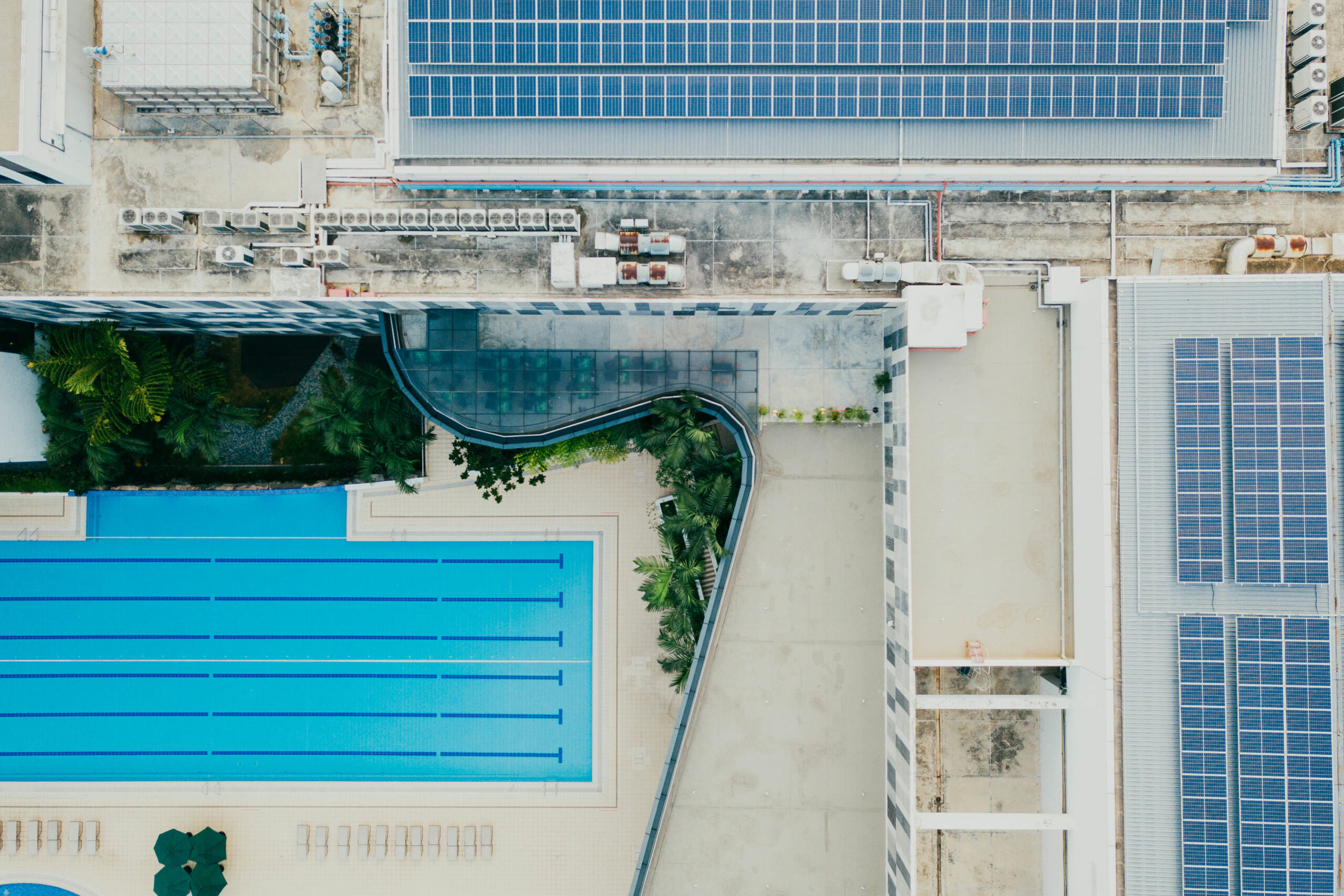
Commercial solar panel systems are large solar setups installed on rooftops, sheds, carports, or even empty plots, designed to power commercial buildings. These are bigger than residential solar panels, and the main goal is to cut down on heavy electricity bills during business hours.
They are usually above 10 kW and can go up to hundreds of kilowatts or even megawatts.
Where are commercial solar panels used in India?
- Schools and colleges
- Manufacturing plants
- Hospitals and clinics
- Retail stores and malls
- Corporate office buildings
- Hotels and resorts
- Cold storage units and godowns
If your business uses a lot of electricity during the day, commercial solar power is a smart investment.
Commercial Solar Power: Why It’s Worth It
Here’s what you get when you install solar power for commercial use:
- Lower electricity bills (by 50–90%)
- Faster return on investment (ROI in 3–4 years)
- Tax benefits and depreciation savings
- No diesel backup required during the day
- Brand value for using clean energy
- Better grid stability and planning for future EV infrastructure
In 2026, many state DISCOMs and SECI are offering open access policies for businesses, so you can even sell extra solar power back to the grid in some states.
Key Components of a Commercial Solar System
Let’s break down the parts you’ll need to build a complete solar system for your business.
1. Solar Panels (Modules)
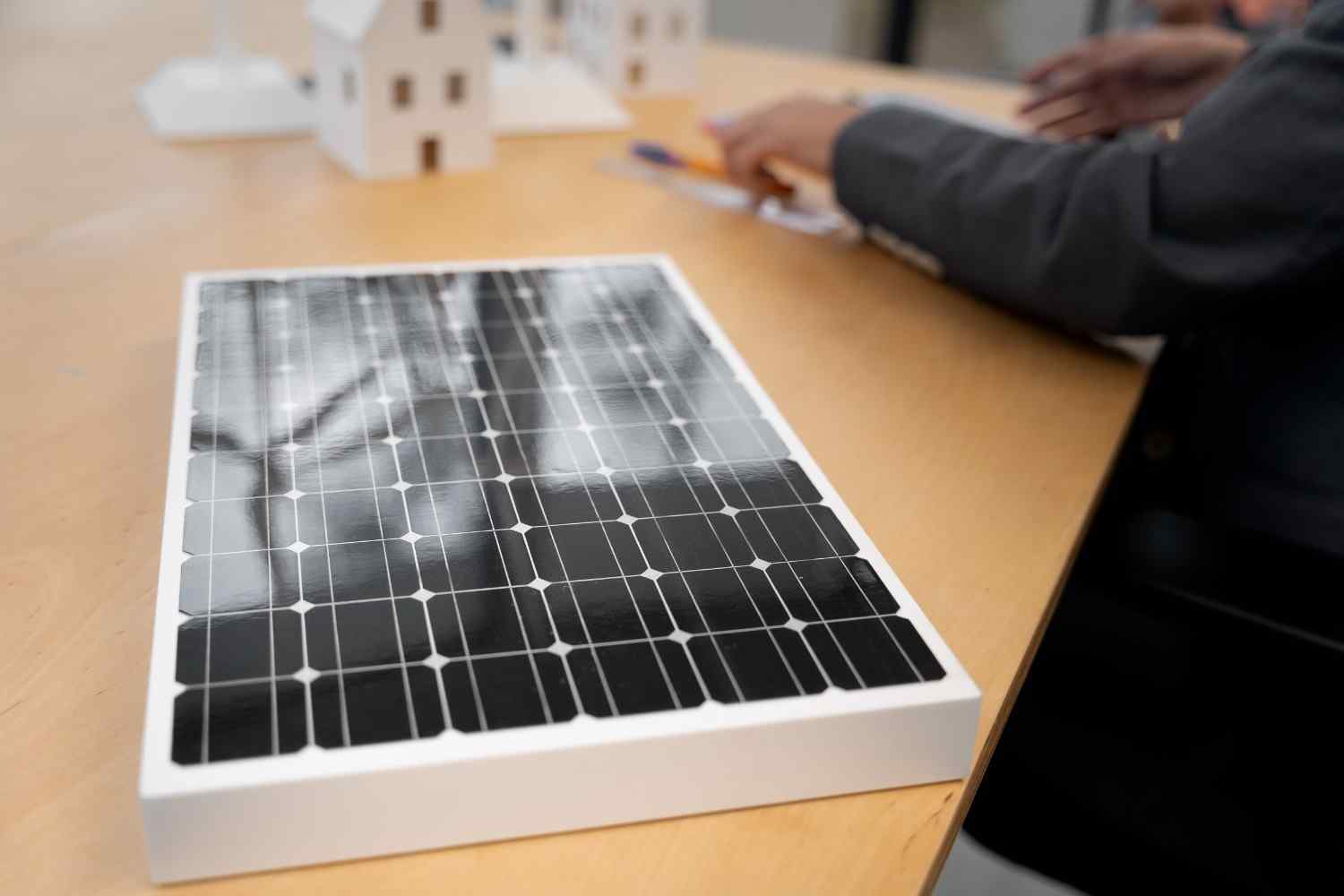
These are the visible parts, the blue or black rectangles that sit on top of your roof or ground. They capture sunlight and turn it into direct current (DC) electricity.
For commercial projects, panels are usually:
- Mono PERC/ bifacial/Top Con /HJT (better efficiency)
- 535W to 730W each
- Mounted on aluminium or hot-dip GI structures
You’ll need dozens or hundreds of these depending on your energy needs.
2. Ongrid Solar Inverters
This is one of the most important parts. An ongrid solar inverter converts the DC electricity from your panels into alternating current (AC), which your machines, computers, and lights can actually use.
For commercial systems, these inverters are usually:
- String inverters (10kW to 250kW)
- Or central inverters (used in MW scale plants)
- Brands like Sungrow, Solis, Growatt, SMA, and ABB are very popular in India
- Must have remote monitoring apps and web dashboards
Inverters also sync your solar energy with the electricity grid. Without a good inverter, your system is like a car without a gearbox.
3. DCDB and ACDB
Don’t get scared, these are just boxes that control and protect your wires and connections.
- DCDB (Direct Current Distribution Box): Combines all the DC wires coming from panels. It includes fuses, SPD (surge protection), and isolators.
- ACDB (Alternating Current Distribution Box): Controls and protects the AC current after it comes out of the inverter.
Think of these as the switchboards for your solar system.
4. Solar BOS (Balance of System)
Solar BOS stands for “Balance of System”, basically, everything else apart from panels and inverters. These are the unsung heroes of every solar project.
Solar BOS includes:
- DC and AC cables (solar grade)
- MC4 connectors
- Earthing system
- Lightning arrestors
- Net metering setup
- Mounting structures
- Monitoring devices
Without BOS, the system won’t be safe or complete. Many businesses forget this part, but smart ones know that solar BOS can affect long-term performance and safety.
5. Net Meter and Bidirectional Meter
After your solar system is live, your power connection needs a net meter. This tracks how much power you consume vs. how much you send back to the grid.
If your solar generates more than you use during the day, your meter runs “backwards”, giving you credits.
DISCOMs in India are getting better at approving net metering faster in commercial setups, especially if your installer is experienced.
Sample Setup: 50kW Commercial Solar Plant
Here’s an example of a typical 50kW commercial solar system for a medium-sized office or warehouse:
Component | Specification |
Solar Panels | 92 x 545W mono PERC panels (50kW total) |
Ongrid Inverter | 50kW Solis or Sungrow inverter |
Structure | GI / Aluminium stand with tilt angle |
DCDB & ACDB | With SPD, fuses, and MCBs |
BOS Components | Solar cables, connectors, earthing kit |
Net Metering | 3-phase bidirectional meter |
Monitoring System | Web dashboard + mobile app |
Total Area Needed | 3,000–3,500 sq. ft. rooftop area |
Estimated Savings | ₹8–10 lakh per year on electricity |
Payback Time | Around 3.5 years |
Tips Before You Install Commercial Solar
- Always go with an experienced EPC contractor who understands local DISCOM rules
- Get a shadow analysis done before deciding where to install
- Choose Tier 1 solar panels and high-efficiency inverters
- Make sure your inverter has remote fault detection
- Ask your vendor to provide O&M (Operations & Maintenance) support
Avoid These Mistakes
- Don’t use cheap panels to save cost, you’ll lose more in long-term losses
- Don’t ignore BOS quality, poor wiring leads to fire risks
- Don’t install without official DISCOM approval, you won’t get net metering
- Don’t skip performance monitoring, it helps you detect issues early
Knowledge is Power: Learn More with Vidyut Setu
Commercial solar installation can sound complex. There are vendors, regulations, components, and lots of jargon. You need someone to break it all down.
That’s where VidyutSetu.com comes in.
Vidyut Setu is a clean and simple website that helps businesses like yours:
- Understand solar system design (from modules to solar BOS)
- Discover approved solar EPCs across India
- Stay updated on subsidy and policy changes
- Learn about best brands for ongrid solar inverters
- Get clarity on net metering and compliance
It’s like your digital solar partner, always ready with the right answers.
Final Thoughts
Solar power for commercial use is no longer just a nice-to-have. In 2026, it’s a financial advantage, a brand statement, and a smart energy decision.
With strong ROI, low maintenance, and clean energy credentials, a commercial solar panel setup gives your business long-term control over costs and power reliability.
And when you understand the full picture, from inverters to BOS to vendor approvals, you make better decisions.
So take your next step. Go to VidyutSetu.com and begin your journey toward commercial solar independence.
Because the sun doesn’t send electricity bills.